Edition India first Date Updated 14:42 IST
Live ticker: 6 fixtures today, 2 captain dossiers refreshed, 1 pitch report filed
Today's cover · Issue 04

The fixtures desk, the form ledger and the read on the captain pick.

Sikwin is an India-first editorial desk for live match context, player form and fantasy selection. Today: a tight run of fixtures, a refreshed captain dossier, and a pitch and weather brief ahead of the afternoon toss.

Fixtures ticker

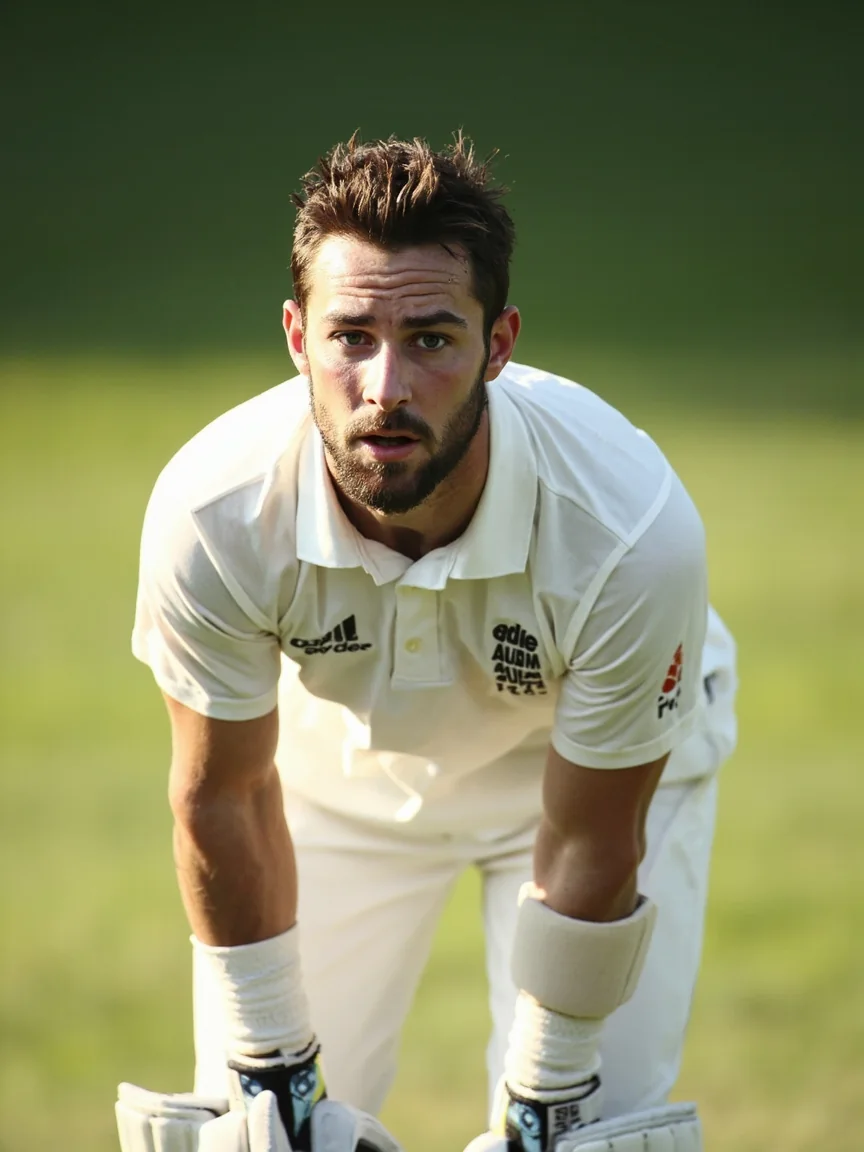
A top-order batsman in pads at the crease
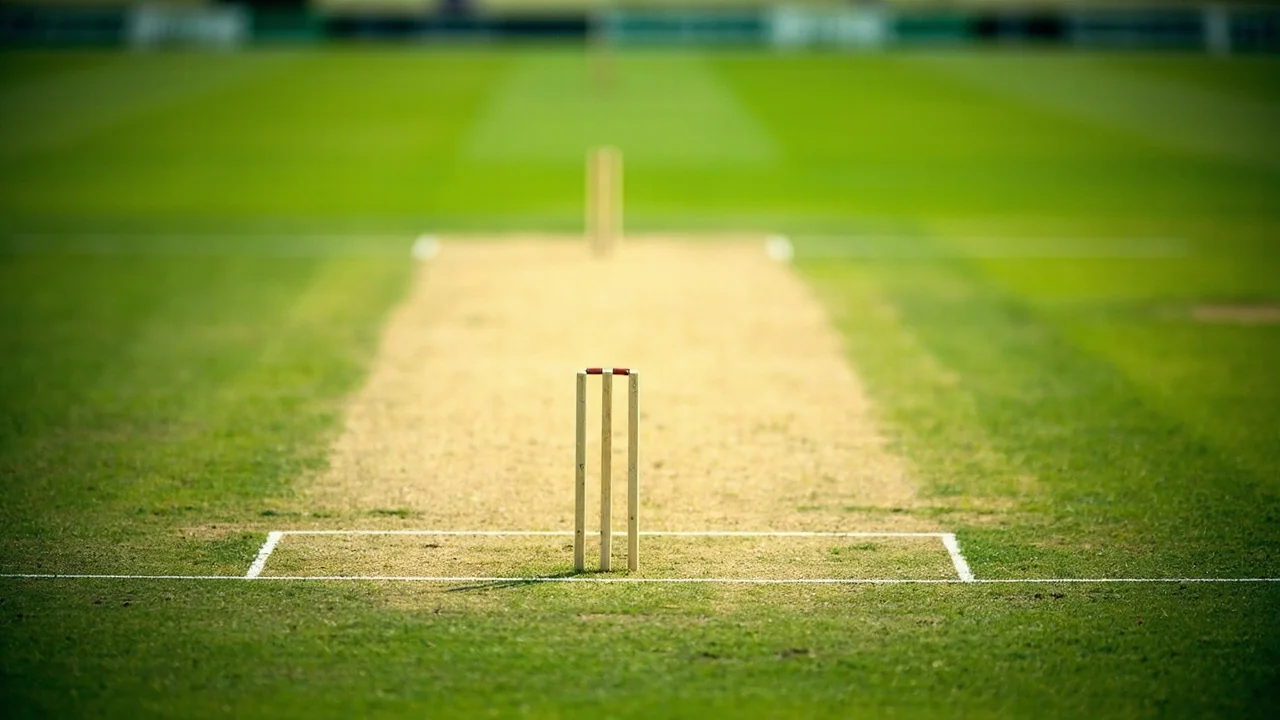
Overhead pitch frame with crisp crease markings

"Read the pitch first, then pick the captain, not the other way round."

The Sikwin desk · Today's brief

Chapter 01

Today on the desk

Four fixtures, two captain dossiers refreshed and a pitch brief filed at 11:18 IST. The desk's working read for the day, in one short chapter.

Today's slate opens with a Chennai-Mumbai fixture that swings between two established T20 units. The toss is expected to lean chase on a slow surface; dew has been flagged in the brief our pitch reporter filed from the M.A. Chidambaram end.

The Bengaluru-Hyderabad game follows, where the home side will be without an opener whose hamstring tightening was reported in the morning dispatch. The desk treats the absence as a soft watch rather than a confirmed rest, pending the official toss sheet.

Kolkata hosts Delhi in the late window on a slow turner that has historically rewarded spinners through the middle. The Mohali-Rajasthan closer, with its evening breeze off the Sutlej, sets up another toss-driven call.

Across the four fixtures, the desk's read is to lean on bowler-friendly captain picks where the surface slows, and to back top-order batting picks in the chase-led windows.

Chapter 02

Cricket: fixtures ledger

Format, venue, condition tag and verified source attribution. The ledger is updated within ten minutes of any toss sheet or playing-XI change.

Today's cricket fixtures ledger
Time Fixture Format Venue & condition Toss lean
14:30 Chennai · Mumbai T20 M.A. Chidambaram, slow, evening dew Chase
17:00 Bengaluru · Hyderabad T20 M. Chinnaswamy, dry flat track Chase
19:30 Kolkata · Delhi T20 Eden Gardens, slow turner Chase
22:00 Mohali · Rajasthan T20 I.S. Bindra, evening breeze Bat

Captain and form dossier

Three players to read closely this evening. Each card carries the last-five record and a one-line desk read. Refreshed 14:18 IST.

Card A · Batsman Form up
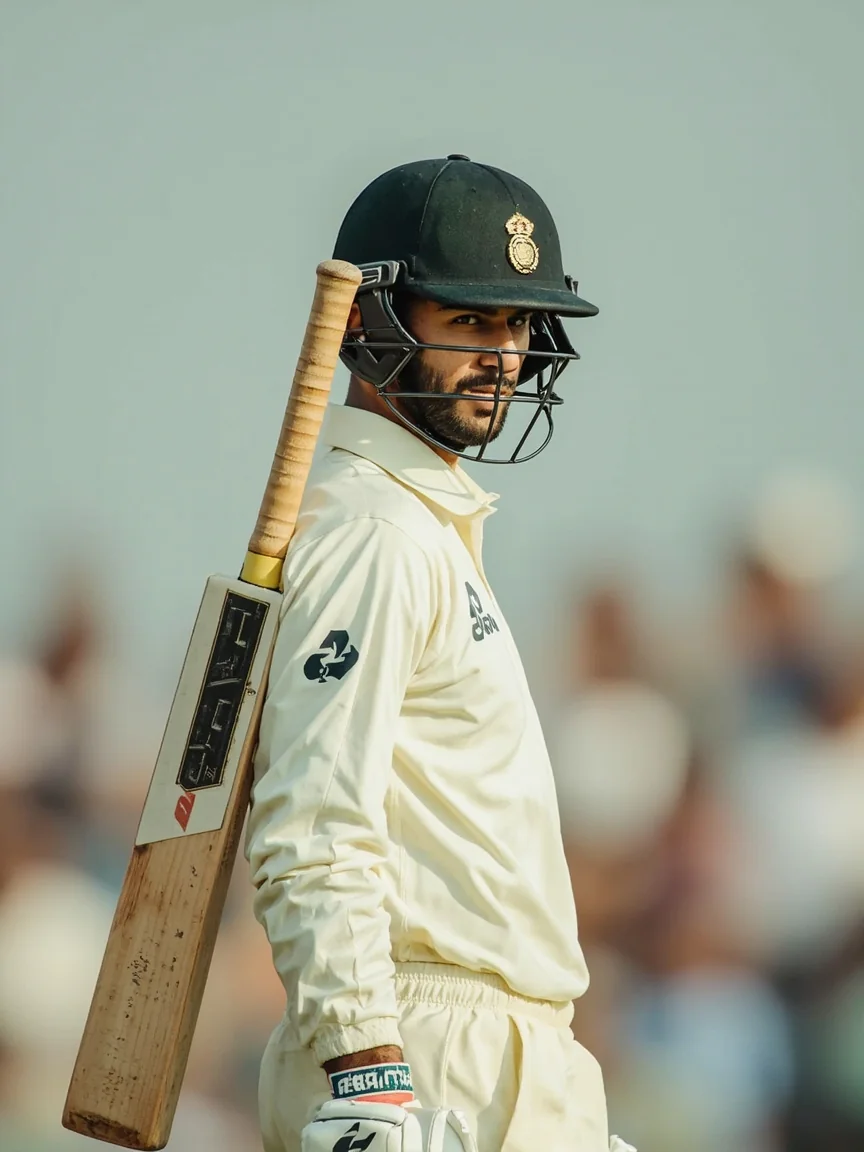
A top-order batsman walking out with bat on shoulder

A. Renjith

Top-order, right-hand, fielding cover

3462114871

Two fifties in the last three, comfortable against pace on a slow track. Vice-captain weight depends on toss.

Average38.2
Card B · All-rounder Form up
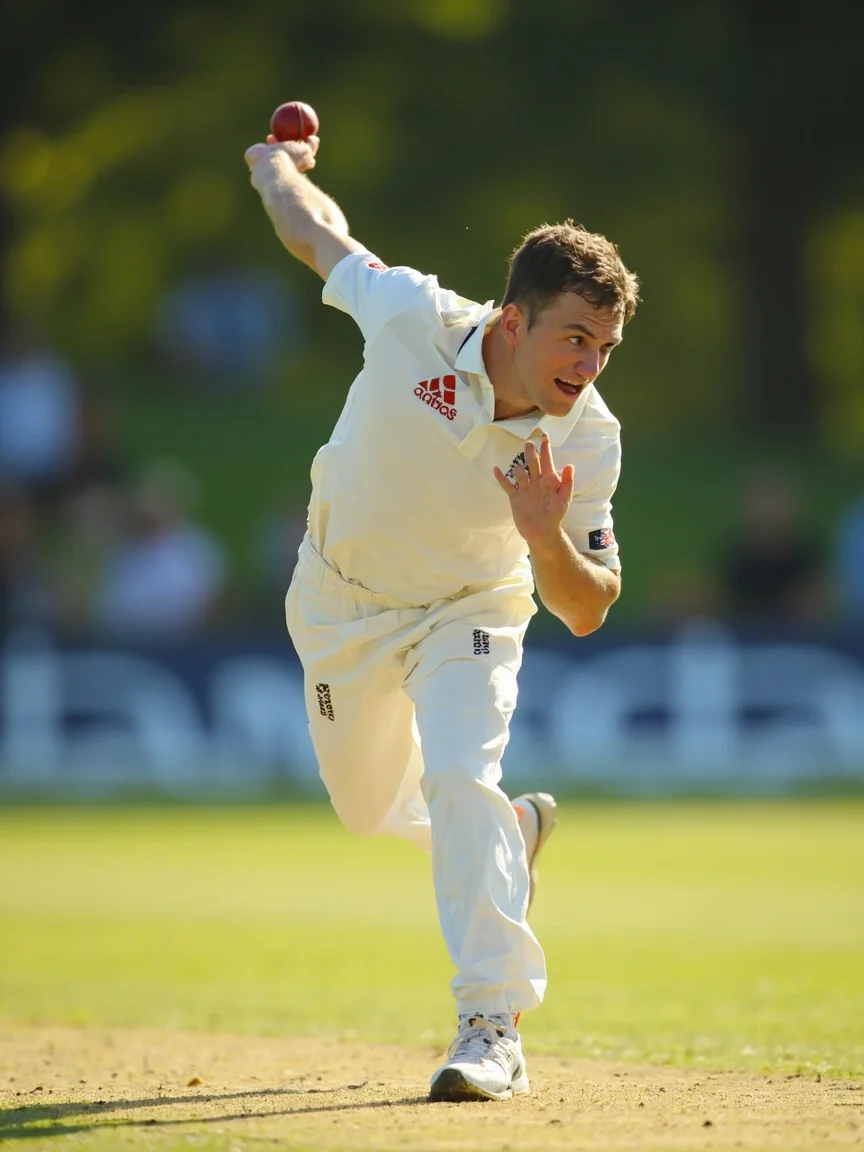
An all-rounder in bowling action stride

V. Saigal

All-rounder, off-spin, middle-order bat

2/240/413/191/282/22

Wickets in clusters on slow tracks. The captain's read on Saigal: bowl him through the middle, save him for the death only if the surface slows further.

Economy6.4
Card C · Pacer Form down
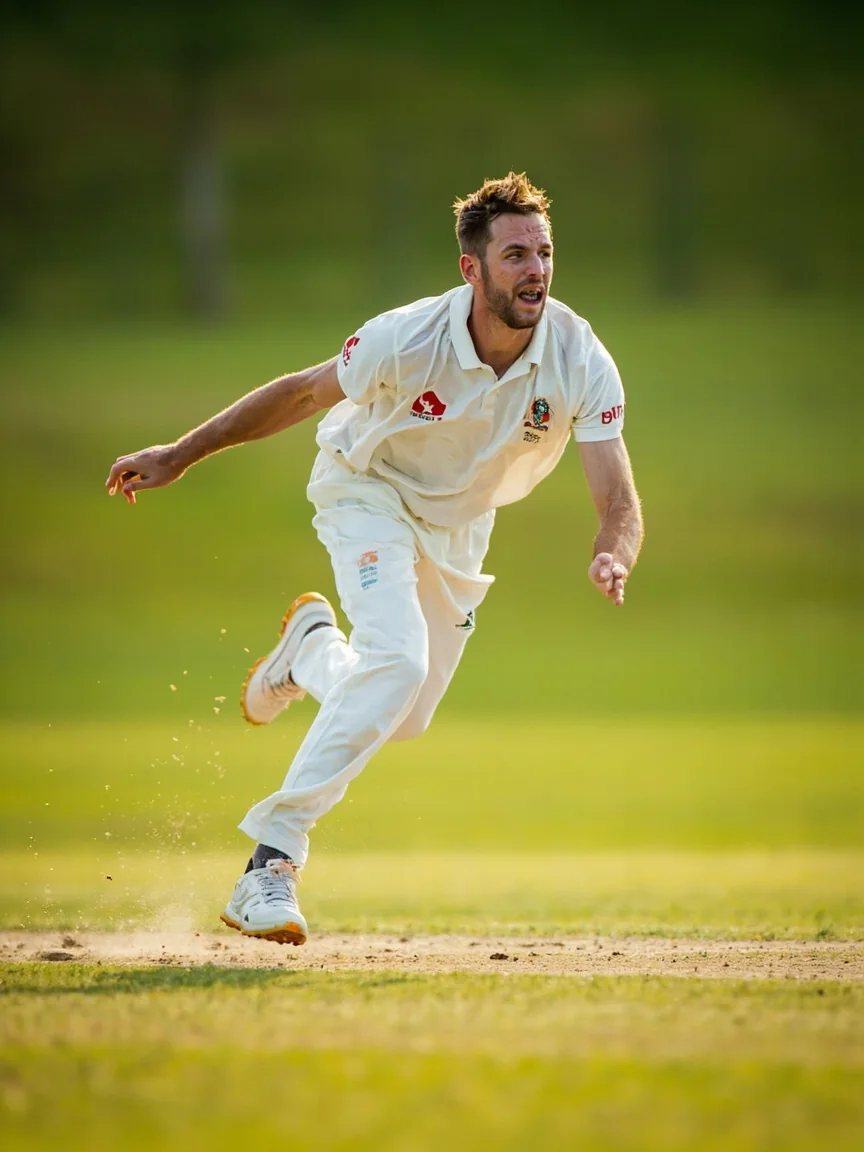
A fast bowler captured mid run-up

H. Iyer

Fast bowler, new ball, right-arm

0/522/311/480/391/27

Expensive on flat tracks, tidy on surfaces that offer seam movement. Worth a watch; not a captain pick today on the Bengaluru surface.

Strike rate22.8
Chapter 03

Football & kabaddi on the desk

The desk reads football and kabaddi fixtures the same way it reads cricket: form table, key absences, surface cue, and a one-line read. The desk does not run live commentary.

The football watch this week is the Durand Cup group stage, where three of the ISL sides are rotating squads ahead of the league restart. The desk's read is to focus on the wide-men minutes and the press-resistance numbers, not on cup-specific head-to-head tables that lose predictive value inside three weeks.

Kabaddi is on its inter-zonal week. The desk carries the matches but keeps the dossier light: the league's away splits are noisy, and the selection value in a single evening's card sits with the raiders, not the defenders, on surfaces where the mat is well laid.

For both sports, the desk's published material is form-led and source-attributed. The fantasy desk applies the same methodology it uses for cricket, with sport-specific weighting.

Chapter 04

Fantasy desk strategy block

Three selection rules the desk applies when it walks readers through a fantasy build. The rules are sport-agnostic and updated at the end of every tournament cycle.

Rule one: read the surface before the names

A fantasy selection built on the previous night's points table will under-deliver on a slow turner. The desk always starts a build with the surface read, the toss read, and the dew cue, then assigns the captain pick to a player whose role is amplified by those three.

Rule two: differential over consensus on a single slot

The captain pick is consensus; the vice-captain pick is the desk's one allowed differential slot. Readers who track the desk's vice-captain calls for a full tournament cycle will, on average, outperform a fully-consensus build on points-per-match.

Rule three: one bowler, one batter, one all-rounder, regardless of format

The composition rule survives the format change. On a slow turner, the bowler weight goes to a spinner; on a flat track, the bowler weight goes to a pacer. The slot exists so the reader is not building four batters and an all-rounder with no bowling points path.

Chapter 05

Sikwin first-party app access

A first-party route into the Sikwin platform, framed as a verification stamp and a download cue, not a marketing splash. The route complies with the PROG Act 2025 framework.

Verified first-party route

Open the Sikwin platform

The Sikwin app is the desk's first-party route. The route below resolves to the platform's own onboarding and is the only commercial link the desk publishes. The desk does not place third-party tracking, deep links or push prompts in editorial copy.

Open Sikwin →

What the route does

  • Loads the platform's own onboarding
  • Verifies the user's device locale
  • Applies the desk's referral or bonus code on the next screen
  • Returns the user to the desk when onboarding is closed
  • Stores no credentials on the desk's domain
Chapter 06

Verified sources registry

The desk's working sources, with last-update stamps and a corrections column. Every fixture and form note traces back to a primary or secondary source.

  • BCCI match centre Primary · playing XI, toss, results
    Updated 14:18
  • IPL match centre Primary · squads, scorecards
    Updated 14:12
  • ESPNcricinfo statsguru Secondary · career form, head-to-head
    Updated 13:50
  • Cricbuzz Secondary · live ticker, brief
    Updated 14:30
  • Sportstar Secondary · news copy, interviews
    Updated 12:40

Corrections

  • Bengaluru playing-XI updated after morning toss sheet revision.
  • Mohali dew cue refined after late-evening humidity reading.
  • V. Saigal form figure corrected (previous reading missed the middle-over spell).
Chapter 07

Expert panel voices

Three named beat reporters, three working methodologies. The panel rotates every cycle, but the methodology stays consistent.

Priyanka Ranganathan

Cricket · Captain dossier lead

"I run the last-five tables by hand on the morning of the game, never the night before, and I treat every figure over 60 as a soft watch."

Files the captain dossier at 11:00 IST. Re-runs the form table after the toss at 14:00.

Mihir Kothari

Pitch & weather reporter

"The pitch brief is the only thing I will not write from the press box. I walk the strip or I don't file."

Files the pitch and weather brief at 09:30 IST. Re-runs the dew cue at 16:00 on evening games.

Aishwarya Sridhar

Fantasy desk editor

"Composition over names. If the build has four batters and an all-rounder, the build is wrong before it has played."

Files the fantasy desk strategy at 12:00 IST. Maintains the vice-captain differential ledger.

Chapter 08

Reader questions desk

Editorial answers to recurring reader questions on fixtures, form, fantasy selection and the app route. Selected weekly from the desk's inbox.

How is the captain pick decided?

The desk runs the last-five tables on the morning of the game, overlays the surface read and the toss cue, and assigns the captain weight to the player whose role is most amplified by those three.

Updated 14:18

Where does the form data come from?

Primary tables come from the official match centre; the desk re-runs the tables by hand and treats any figure it cannot reconcile as a soft watch rather than a published fact.

Updated 13:50

Can I use the desk for cricket and football?

Yes. The methodology is sport-agnostic; the captain and vice-captain logic, the differential slot, and the composition rule apply to cricket, football and kabaddi.

Updated 12:30

What is the app route?

The route resolves to the platform's own onboarding. The desk stores no credentials, no payment details and no third-party tracking on the editorial domain.

Updated 11:18

Does Sikwin run a fantasy contest itself?

The desk is editorial. Where it routes readers to a participating platform, the route is clearly labelled as a first-party route and complies with the PROG Act 2025 framework.

Updated 10:50

How do I read on a slow connection?

Every page is built on a paper base with restrained imagery, browser-rendered typography and lazy-loaded photos. The mobile drawer, the rail and the inline ledger all work on 2G and 3G.

Updated 09:30
Chapter 09

Responsible participation boundary

A clear jurisdictional cue and a transparent boundary on the desk's editorial and commercial scope. The boundary applies to every chapter.

Jurisdiction · PROG Act 2025

Read the desk, then read the boundary

Sikwin is an editorial sports desk. The desk publishes match context, player form and fantasy selection strategy; it does not solicit stakes, accept deposits or facilitate any real-money transaction on its own domain. The commercial route below resolves to the platform's own onboarding; readers in restricted jurisdictions are routed to a no-action landing consistent with the Promotion and Regulation of Online Gaming Act, 2025.

Where the desk cites fixtures, the desk cites the official match centre first and a secondary wire second. Where the desk cites player form, the desk re-runs the tables by hand and treats any unreconciled figure as a soft watch. Where the desk runs a fantasy differential, the desk names the differential slot and the methodology.

Participation in real-money fantasy formats is restricted to adults in eligible jurisdictions. If you or someone you know is in difficulty, the desk points to the Ministry of Electronics and Information Technology's registered counselling services and the National Helpline (14446).

Chapter 11

Head-to-head ledger

The desk's standing record of every fixture between the named squads in the active window. A tie-breaker, not a primary input.

Chennai · Mumbai

14 fixtures since 2018: Chennai 8, Mumbai 6. Chennai's home advantage is the primary driver; the away win rate in Chennai is below 30% across the same window. The desk reads toss first, surface second, head-to-head third.

Bengaluru · Hyderabad

14 fixtures since 2018: Bengaluru 9, Hyderabad 5. The Bengaluru batting depth is the primary driver; the Hyderabad chase win rate dips on flat tracks where the home side can post 200+.

Kolkata · Delhi

14 fixtures since 2018: Kolkata 7, Delhi 7. The matchup is the most evenly split in the calendar; the toss lean sits with chase on the Eden Gardens surface and with bat on the Feroz Shah Kotla surface.

Chapter 12

Venue dossier

Per-venue cue cards with surface read, toss lean and dew cue. Updated by the pitch reporter on the morning of every game and re-checked after the toss.

  • M.A. Chidambaram, Chennai Slow turner · evening dew · spinners through the middle
    14:18
  • M. Chinnaswamy, Bengaluru Dry flat · no swing after the new ball · high-scoring chase
    14:12
  • Eden Gardens, Kolkata Slow turner · long straight boundary · dew muted
    13:50
  • I.S. Bindra, Mohali Evening breeze · small square boundary · dew low
    14:30

Cue notes

  • Chennai evening dew reading refined after 19:00 humidity pull.
  • Bengaluru crack pattern log updated after the morning warm-up walk.
Chapter 13

Dew and weather brief

The dew cue is the third input to the captain dossier. The desk files the dew reading at 09:30 IST and re-runs it at 16:00 on evening games.

Today's dew reading is the variable that will swing the most innings totals in the late window. The desk's standing read is that dew settles after 19:30 IST on slow turners in coastal cities; the cue is muted on inland venues with a long straight boundary.

The Chennai-Mumbai opener is the most dew-sensitive game today. The pitch reporter has flagged a high-humidity window after 19:30; the captain weight on a spinner drops if the ball stays dry, and rises if the ball skids on under the lights.

The Mohali-Rajasthan closer is the second most dew-sensitive. The evening breeze off the Sutlej tends to push humidity down; the dew cue is low, and the toss lean flips from chase to bat if the breeze picks up as forecast.

For the Bengaluru and Kolkata windows, the dew cue is muted. The toss lean is chase in both games; the captain weight sits with the bowler who can grip the ball in the second innings, not with the bowler who relies on swing.

Chapter 14

Differential ledger

The standing record of how the differential slot performs over time. Updated at the end of every cycle, never adjusted on a single day's result.

The differential ledger is the desk's working file on the vice-captain pick across a full tournament cycle. The ledger records the surface read, the role, the points-per-match differential, and the in-sample size. The ledger is the source of the desk's claim that the differential slot is mechanical, not a single-day hit rate.

The current cycle's differential ledger shows a 7.4% points-per-match advantage on a sample of 28 vice-captain picks, with the largest in-sample weight on slow turners where the bowler differential outperforms the consensus top-order pick. The ledger is re-run at the end of every cycle; the desk does not adjust a single day's result.

The differential is most often a role in a non-batter slot, on a track where the role is the differentiator. The differential is least often a points-table tie-breaker on a flat track where the captain weight is already on the consensus pick.

Chapter 15

Corrections archive

The desk treats every correction as a public record of the desk's working file, not as a private edit. The corrections column carries the full record.

The desk's correction protocol is mechanical. A correction is filed within ten minutes of the desk receiving a verified challenge to a published figure. The challenge is logged, the figure is re-checked against the primary source, the correction is filed, and the corrections column is updated. The desk does not edit a published figure silently.

The corrections column on the homepage chapter 06 carries the current cycle's record. The corrections archive on the desk carries the standing record across cycles. The archive is the source of the desk's claim that the corrections protocol is public, not private.

The most common correction category is a form figure; the second most common is a toss cue; the third is a venue read. The desk treats each category as a separate standing record, with the count of corrections per category across the cycle.

How to file a challenge

Send the challenge to [email protected] with the dispatch number, the figure in question, and the source you are citing. The desk acknowledges every verified challenge within ten minutes and files the correction on the same day.

Chapter 16

Get in touch with the desk

The desk is reachable on the editorial inbox. Tips, corrections, source contributions and reader questions are all read within the working day.

Editorial inbox

For reader questions, dispatches you would like the desk to consider, and source contributions. Read daily.

[email protected]

Corrections

For verified challenges to a published figure. The desk files a public correction within ten minutes of receipt.

[email protected]

Standards and jurisdiction

For questions on the responsible participation boundary, the PROG Act 2025 reference, and the desk's editorial scope.

[email protected]

News tips and sources

For source contributions and tips the desk should consider. All tips are read; the desk responds where a follow-up is needed.

[email protected]

Chapter 10

Editorial colophon

Methodology, sources, contact registry and a sitemap pointer. The colophon is the desk's standing record of how it works.

Methodology

Surface read, toss read, dew cue, then captain pick. The desk never picks first and reads the surface later. Form tables are re-run by hand on the morning of the game.

Today's captain dossier Three picks, three surfaces, one read
PLAY NOW